Modern commercial, industrial, and technology-driven facilities demand flooring solutions that are both durable and adaptable. A raised floor system has become a key component in building design, providing structural support, flexibility, and underfloor space for utilities. From data centers to offices and industrial environments, raised flooring enables efficient management of electrical, data, and HVAC systems while supporting heavy loads and high-traffic areas.
Traditional flooring often lacks the accessibility and modularity required for modern infrastructure. Raised floor systems address these limitations by elevating panels above the structural floor, creating a space underneath that allows for easy installation, maintenance, and upgrades. This adaptability is crucial for facilities that need to accommodate changing technology and operational requirements.
Understanding Raised Floor Systems
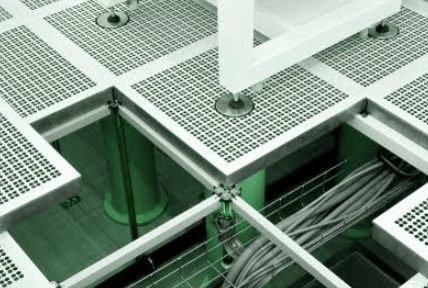
A raised floor system consists of modular panels installed above the building’s structural floor, creating an underfloor cavity for utilities and infrastructure.
Key features of a raised floor system include:
- Modular Panels: Easily removed or replaced for maintenance or upgrades.
- High Load-Bearing Capacity: Supports office furniture, industrial equipment, and foot traffic.
- Underfloor Access: Provides space for cables, pipes, and air distribution systems.
- Flat, Stable Surface: Maintains uniformity for flooring finishes like carpet or tiles.
These features make raised floors ideal for environments that require both durability and flexibility.
Advantages of Raised Floor Systems
Enhanced Durability
Raised floor panels are designed to withstand heavy loads and high-traffic areas. This ensures long-term performance and reduces maintenance costs over time.
Efficient Infrastructure Management
The underfloor space allows for organized routing of electrical wiring, network cabling, and HVAC systems. This reduces downtime, simplifies maintenance, and allows for future upgrades without disrupting daily operations.
Fire and Safety Benefits
Many raised floor panels are constructed with fire-resistant materials, enhancing building safety and compliance with regulations.
Acoustic and Thermal Performance
Raised floors contribute to sound insulation and efficient airflow management. Integration with HVAC systems improves climate control and energy efficiency, making the environment more comfortable for occupants.
Facilities seeking reliable and adaptable flooring solutions may consider raised floor system solutions to enhance both operational efficiency and infrastructure management.
Applications Across Industries
Raised floor systems are widely used in:
- Data Centers: For optimized airflow, cable management, and server support.
- Corporate Offices: Enables flexible workspace layouts and organized underfloor utilities.
- Laboratories and Clean Rooms: Provides stable, chemical-resistant flooring.
- Industrial Facilities: Supports heavy machinery while maintaining accessible infrastructure.
These applications demonstrate the versatility and necessity of raised floors in modern building design.
See also: Why PVC Sheet for Furniture Solutions Matter in Modern Interior Manufacturing
Considerations for Installation
Load Requirements
Evaluate the expected weight from equipment, furniture, and personnel to select the appropriate floor panels.
Environmental Conditions
Consider moisture, temperature fluctuations, and fire safety standards when selecting materials.
Accessibility
Ensure that panels are easy to remove for maintenance or upgrades to underfloor utilities, minimizing operational disruptions.
Longevity and Maintenance
Select durable materials that resist wear, moisture, and chemical exposure to reduce long-term maintenance costs.
Industry Trends Driving Adoption
Integration with Smart Building Systems
Raised floors support IoT devices, sensors, and advanced monitoring systems, enhancing building management.
Sustainability
Durable materials reduce replacement frequency and contribute to eco-friendly building practices.
Modular and Flexible Design
Modular panels allow quick reconfiguration, renovations, or upgrades without major structural changes.
Frequently Asked Questions
1. What is a raised floor system?
It is a flooring system where modular panels are installed above the structural floor, creating an underfloor cavity for utilities and infrastructure.
2. Where are raised floors commonly used?
They are widely used in data centers, corporate offices, laboratories, and industrial facilities requiring flexibility and infrastructure access.
3. Why are raised floors important for modern buildings?
Raised floors provide durability, flexibility, efficient infrastructure management, and adaptability for future upgrades.
Conclusion
Raised floor systems are essential for modern facilities that require operational flexibility, durability, and infrastructure management. By providing underfloor access and supporting heavy loads, they enable efficient building operations while allowing for future growth and technological upgrades. Investing in a high-quality raised floor system ensures long-term performance, easier maintenance, and the adaptability required in contemporary construction projects.