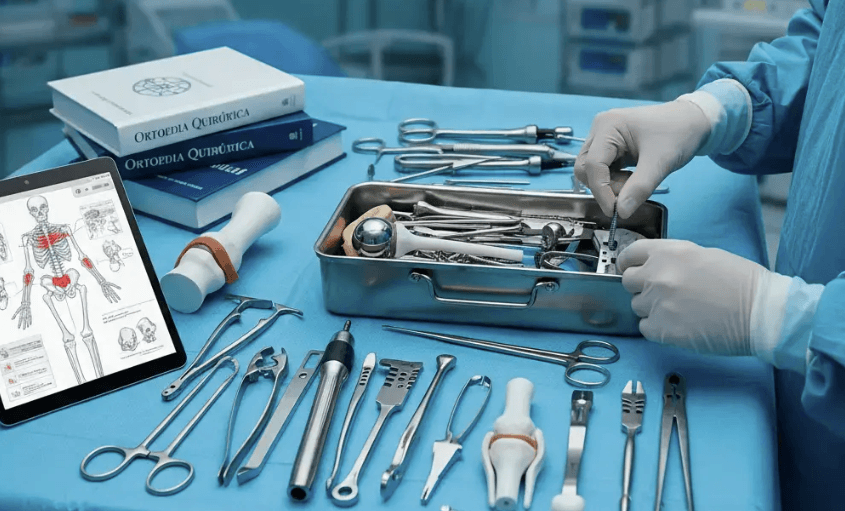
Orthopedic procedures require specialized instruments to ensure safe, precise, and effective surgical interventions. Medical orthopedic tools are designed to assist surgeons in diagnosing, treating, and repairing bones, joints, and related musculoskeletal structures. These tools are essential for trauma care, joint replacements, spinal surgeries, and other orthopedic procedures.
Understanding the types, features, and benefits of medical orthopedic tools helps hospitals, clinics, and healthcare providers maintain high-quality patient care and surgical outcomes.
What Are Medical Orthopedic Tools?
Medical orthopedic tools are specialized instruments used in surgeries that involve the skeletal system. They are crafted from high-grade materials to maintain precision, durability, and sterility.
Key characteristics include:
- Ergonomic designs for surgeon comfort
- Precision tips for cutting, drilling, or shaping bone
- Corrosion-resistant, sterilizable materials
- Instrumentation tailored for specific orthopedic procedures
These features ensure surgeons can perform complex procedures safely and effectively.
Types of Medical Orthopedic Tools
Cutting and Shaping Instruments
Tools such as saws, chisels, and osteotomes are used to cut, shape, or remove bone during surgical procedures.
Fixation and Stabilization Tools
Plates, screws, pins, and clamps help stabilize fractured or surgically altered bones, allowing proper healing and structural alignment.
Joint and Soft Tissue Instruments
Forceps, retractors, and elevators assist in exposing joints, manipulating tissues, and facilitating precise surgical interventions.
Drilling and Reaming Instruments
Drills, reamers, and guides are used to prepare bone cavities, shape surfaces, and facilitate the placement of implants.
See also: Long-Term Effects of Spinal Cord Injuries and Available Legal Remedies
Advantages of Using High-Quality Medical Orthopedic Tools
Precision and Accuracy
Medical orthopedic tools allow surgeons to perform delicate operations with minimal tissue damage, ensuring better patient outcomes.
Durability and Sterilization
High-grade stainless steel or titanium construction ensures tools remain sharp, resistant to corrosion, and compatible with repeated sterilization cycles.
Ergonomic Design
Comfortable handles reduce surgeon fatigue during lengthy procedures while improving control and precision.
Versatility
Medical orthopedic tools cover a wide range of procedures, including trauma surgery, joint replacement, spinal interventions, and pediatric orthopedic care.
Applications of Medical Orthopedic Tools
Trauma and Fracture Surgery
These instruments are critical for repairing fractures, dislocations, and musculoskeletal injuries resulting from trauma.
Joint Replacement Surgery
Tools such as reamers, guides, and implants assist in knee, hip, and shoulder replacement procedures.
Spinal Surgery
Specialized orthopedic tools facilitate spinal alignment, fixation, and decompression procedures with accuracy.
Pediatric and Specialized Orthopedics
Medical orthopedic tools are also used in pediatric surgeries or specialized procedures requiring smaller or uniquely shaped instruments.
Features to Consider When Choosing Medical Orthopedic Tools
Healthcare facilities should evaluate the following:
- Material quality: Surgical-grade stainless steel or titanium
- Precision and sharpness: Essential for bone and tissue procedures
- Ergonomics: Comfortable design for extended surgical use
- Sterilization compatibility: Safe for autoclaving and repeated use
- Comprehensive instrument sets: Cover a range of procedures for flexibility
High-quality tools ensure safe, effective, and efficient orthopedic surgeries.
Innovations in Medical Orthopedic Tools
Recent innovations in medical orthopedic tools include:
- Lightweight titanium instruments for reduced fatigue
- Modular and procedure-specific instrument sets
- Enhanced coatings for corrosion resistance and easier sterilization
- Digital-assisted and computer-guided instruments for precision surgery
These advancements improve safety, surgical accuracy, and operational efficiency.
Frequently Asked Questions (FAQ)
1. What are medical orthopedic tools used for?
They are used for surgeries involving bones, joints, and surrounding soft tissues, including fracture repair, joint replacement, and spinal procedures.
2. What materials are used in orthopedic surgical tools?
High-quality stainless steel or titanium, which ensures durability, precision, and sterilization compatibility.
3. How are medical orthopedic tools maintained?
They should be cleaned, sterilized using autoclaves, and stored properly to maintain sharpness, precision, and longevity.
Conclusion
Medical orthopedic tools are essential instruments for performing safe, precise, and effective bone and joint surgeries. Their high-quality materials, ergonomic design, and precision engineering enable surgeons to deliver optimal patient care. Investing in reliable medical orthopedic tools ensures durable, sterilizable, and efficient instruments for trauma, joint replacement, spinal, and specialized orthopedic procedures.