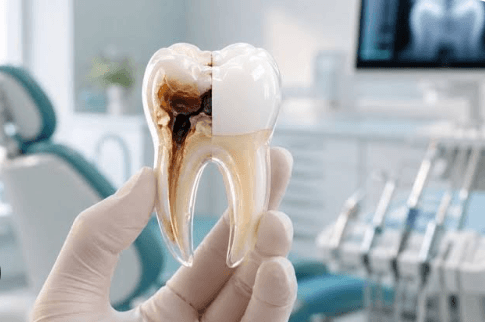
You put time, money, and trust into your smile, and working with a family dentist in Hackensack can help protect that investment. Maybe you paid for crowns, veneers, bonding, whitening, or implants because you were tired of hiding your teeth in photos or covering your mouth when you laughed. Once that work is done, the fear is real. You do not want one small problem, like bleeding gums or a missed cleaning, to undo it.
That is where prevention matters. Restorative and cosmetic dental work can look strong and polished on the surface, but it still depends on healthy teeth, healthy gums, and daily care. Preventive dental care for cosmetic and restorative work helps your investment last longer, lowers the chance of repairs, and protects the comfort and appearance you paid for.
Healthy gums keep crowns, veneers, and implants stable
Cosmetic and restorative dentistry sits on a foundation. If that foundation is inflamed, infected, or shrinking, the work above it starts to suffer. A crown may still look fine at first, but decay can form at the edge where the crown meets the natural tooth. Veneers can lose their clean, even look if the gums around them become swollen or recede. Implants need healthy surrounding bone and tissue to stay secure.
Gum disease often starts quietly. You may notice bleeding when you brush, a little tenderness, or bad breath that keeps coming back. It is easy to brush that off, especially when the visible dental work still looks good. The problem is that gum disease does not stay small. The National Institute of Dental and Craniofacial Research explains that gum disease can damage the gums and bone that support teeth. That support also matters for bridges, implants, and other restorations.
This is one of the clearest ways preventive dentistry protects cosmetic dental work. Routine cleanings and gum evaluations catch inflammation before it turns into something that threatens the fit, look, or lifespan of your treatment.
Small problems stay small when preventive visits happen on time
A tiny cavity under an old filling can turn into a root canal. A chipped edge on bonding can collect stain and wear down more. Night grinding can crack porcelain before you feel pain. These are not rare situations. They are the kind of slow changes people miss because life gets busy, the calendar fills up, and a six month checkup feels easy to postpone.
That delay usually costs more than the appointment you skipped. Preventive exams give your dentist a chance to spot weak areas early, polish rough spots, check bite pressure, and make small fixes before they become bigger repairs. If you have had cosmetic treatment, this matters even more because color, shape, and symmetry often need a careful eye. A minor stain at the edge of a veneer or a slight shift in bite can be corrected early. Left alone, it can affect the look of your smile and the way your teeth function.
For anyone seeing a family and cosmetic dentist, prevention is not separate from treatment. It is part of keeping treatment successful.
Daily preventive habits reduce staining, decay, and wear
Professional care matters, but the real test happens at home. Coffee, tea, red wine, tobacco, dry mouth, plaque buildup, and hard brushing can all shorten the life of restorative or cosmetic work. Whitening does not protect against future stains. A crown cannot get a cavity itself, but the natural tooth underneath and around it still can. Bonding and veneers can chip if you use your teeth to open packages or chew ice.
The Centers for Disease Control and Prevention offers practical oral health tips for adults that support both natural teeth and dental work. Brushing twice a day with fluoride toothpaste, cleaning between teeth daily, limiting sugary drinks, and avoiding tobacco sound basic because they are basic. They also work. Consistent habits lower the plaque and bacteria that put margins, gums, and enamel at risk.
You do not need a perfect routine. You need one you can keep. A soft toothbrush, non abrasive toothpaste, floss or interdental cleaners, and a night guard if you grind can do more to preserve your smile than people often realize.
Prevention costs less than replacing damaged dental work
Most people feel this one in their gut. You finally finished the treatment plan, maybe after months of visits, and the last thing you want is another bill. Preventive care is usually the least expensive part of dentistry, yet it protects the most expensive part.
When restorative or cosmetic work fails early, the cost is not only financial. There is time off work, more appointments, new impressions, healing, temporary restorations, and the stress of wondering whether the replacement will match the rest of your smile. Prevention lowers the odds of going through that cycle.
| Situation | Preventive Approach | Likely Outcome |
|---|---|---|
| Mild plaque buildup around veneers or crowns | Routine cleaning and home care review | Lower risk of gum irritation, staining, and margin decay |
| Early bite stress from clenching or grinding | Exam, bite check, and custom night guard | Lower risk of chips, fractures, and loosened restorations |
| Missed recall visits for a year or more | No early monitoring | Higher chance of hidden decay, gum disease, and larger repair costs |
| Minor stain or rough edge on bonding | Polishing or small adjustment | Better appearance and less wear over time |
Simple steps help protect your dental investment
Keep recall visits on the calendar. Do not wait for pain. Cosmetic and restorative problems often start without it. Regular checkups help catch gum changes, edge leakage, wear, and bite issues before they become expensive.
Use home care that matches your dental work. Ask which toothpaste is safe for veneers, bonding, crowns, or implants. Use a soft brush. Clean between teeth every day. If you have dry mouth, ask about rinses or products that help protect against decay.
Say something when a restoration feels different. If a crown feels high, a veneer edge feels rough, or your gums bleed around one tooth, do not ignore it. Small changes are often easiest to fix early.
Prevention helps your smile last longer
The best cosmetic or restorative result is not just how it looks on the day it is finished. It is how well it holds up months and years later, when you are eating, talking, laughing, and living your life without worrying that your dental work will fail too soon. Protecting restorative and cosmetic dental work with preventive care gives you the best chance of keeping that result stable.
If you have invested in your smile, protect it with steady care from a family and cosmetic dentist who pays attention to both appearance and long term health.