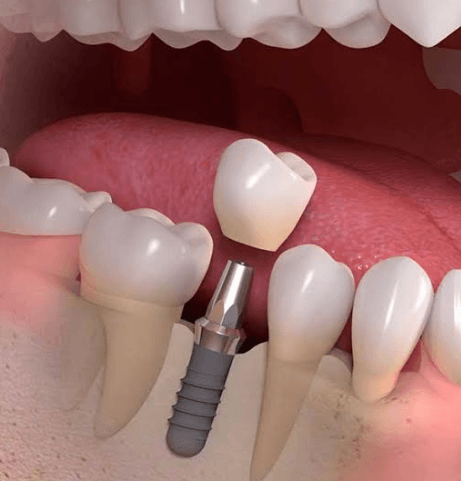
You might be feeling pulled in two directions when it comes to your oral health. On one hand, you want care that is safe, clear, and built around your real needs. On the other, dental visits can feel rushed, generic, or hard to understand, especially if you have pain, anxiety, a tight budget, or a long history of putting treatment off. That tension is real, and it often keeps people from getting help until a small issue turns into a bigger one, whether they are seeking routine care or exploring dental implants in Maryville.
That is why How Dental Centers Personalize Care For Every Patient matters so much. Good care is not only about cleaning teeth or filling a cavity. It is about seeing the whole person, your comfort level, your health history, your goals, and the pace that feels manageable for you. When a dental center takes that approach, visits tend to feel less stressful and more useful, and the care plan makes more sense from the start.
Why can a one size fits all dental visit leave you feeling unheard?
Many people walk into a dental office carrying more than a tooth problem. You may be managing diabetes, pregnancy, dry mouth from medication, gum sensitivity, past trauma, or fear about cost. If those details are missed, the treatment can feel disconnected from your life. You hear recommendations, but you do not always hear how they fit your schedule, your pain level, or what you can realistically do at home.
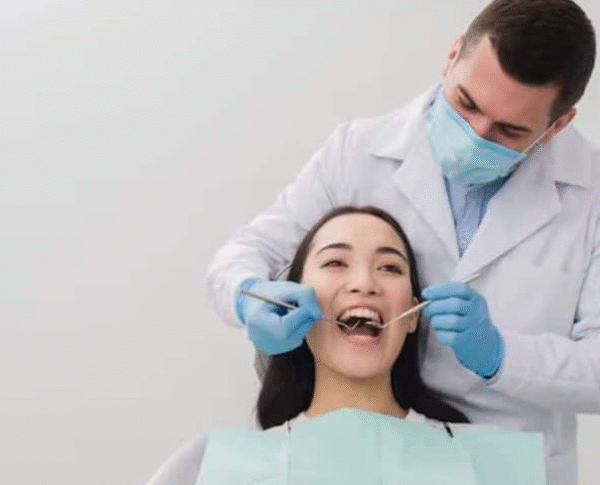
Because of this, a personalized approach changes the whole experience. A dental team may begin with a deeper conversation about your medical background, daily habits, and concerns. They may ask what bothers you most right now. Is it pain when you chew, bleeding gums, bad breath, missing teeth, or worry about what the dentist will find? Those answers shape the next steps.
This is the heart of personalized dental care. Instead of treating every patient the same, the team adjusts the plan to match the person in the chair. That could mean extra time for someone with dental anxiety, preventive care for a patient at high risk of gum disease, or a phased treatment plan for someone who needs to spread out costs.
What does tailored treatment at a dental center actually look like?
Sometimes personalization sounds abstract until you see it in real life. A young adult with frequent cavities may need diet guidance, fluoride support, and sealants, while an older adult with receding gums may need a plan focused on root protection, gentle hygiene methods, and dry mouth relief. A parent bringing in a child may need coaching on brushing habits, while a patient preparing for a wedding may care most about appearance and timing.
So, where does that leave you? It means a strong dental center does more than diagnose. It connects your symptoms with your habits, medical history, and priorities. It may also use screening and education to support long term health, since oral health is tied to overall health. The CDC explains this connection clearly on its page about oral health and overall wellness.
A thoughtful team also knows that prevention is personal. Some patients need help building a basic routine, while others need support fine tuning habits they already have. The CDC offers practical oral health tips for adults, and a good dental center often turns that kind of guidance into a plan that fits your day to day life.
How can comparing standard care and custom care help you choose?
When you are deciding where to go, it helps to see the difference between a generic visit and a patient centered one. Not every office works the same way, and the gap can affect comfort, cost, and outcomes.
| Area of Care | Standard Approach | Personalized Approach |
|---|---|---|
| First appointment | Brief exam with limited discussion | Exam plus conversation about history, fears, goals, and symptoms |
| Treatment planning | Same sequence for most patients | Phased plan based on urgency, budget, comfort, and health needs |
| Prevention | General advice for everyone | Home care guidance matched to age, risk, and daily habits |
| Anxiety support | Little adjustment in pace | Extra explanation, breaks, calming options, and trust building |
| Long term results | Harder to maintain if the plan feels unrealistic | Better follow through because the plan fits real life |
This is where customized patient care in dentistry stands apart. If you have ever left an appointment thinking, “I know what they want me to do, but I do not know how I am supposed to do it,” you have felt the cost of generic care. A plan only works when it feels possible.
What can you do right now to get more from your next dental center visit?
1. Write down your real concerns before you go.
Not the polished version. The real one. Maybe you are scared of pain, embarrassed about the condition of your teeth, worried about price, or unsure which problem matters most. Bring a short list. That gives the dental team a clearer starting point and helps them build a better dental center plan around you.
2. Ask how the treatment plan can be adjusted to fit your life.
You can ask if care can be done in stages, which treatment is most urgent, what can wait, and what you should focus on at home. If you have anxiety, say so early. If you have a health condition or take medication, bring it up. These details are not side notes. They are part of safe, effective care.
3. Focus on prevention that matches your risk.
Some people need more frequent cleanings. Others need help with flossing technique, dry mouth management, night guards, or diet changes. Ask what matters most for your mouth, not what is generally recommended for everyone. That is often where patient specific care makes the biggest difference over time.
See also: How Microsoft 365 Business Simplifies Daily Work?
Could the right dental center make care feel manageable again?
Yes, it can. When a dental center listens well, explains clearly, and shapes care around your health, comfort, and goals, the whole process becomes easier to face. You do not need a perfect dental history to deserve thoughtful treatment. You just need a place that meets you where you are and helps you move forward one step at a time.
If you have been waiting because the process feels overwhelming, this may be the moment to start with one conversation and one appointment. The right care is not about pressure. It is about feeling understood, informed, and supported as you protect your smile and your health.