You might be feeling the loss in more ways than one. Maybe a fall, a sports injury, or a long dental problem changed your smile overnight. Maybe the mirror catches your eye, and you see the gap before you see anything else. Eating can feel awkward, speaking may sound different, and even simple moments can carry a quiet strain. If that sounds familiar, you are not overreacting. Losing a tooth, or several teeth, can affect comfort, confidence, and daily life all at once. A family dentist in Great Falls can help you explore options for restoring your smile and comfort.
The good news is that there are reliable ways to rebuild both function and appearance. A general and implant dentist can assess the damage, protect your oral health, and guide you toward options that fit your needs. In many cases, implant dentistry after tooth loss can replace missing teeth in a way that feels stable and natural, while other options such as dentures or bridges may also make sense depending on your health, goals, and budget.
What Changes After Trauma Or Tooth Loss, And Why Can It Feel So Overwhelming?
When a tooth is lost, the problem is rarely just the space it leaves behind. The surrounding teeth can begin to shift. Biting pressure can change. You may start chewing on one side without even noticing, which can create jaw soreness or uneven wear. If the tooth was lost because of trauma, there may also be damage to the gums, bone, or nearby teeth that needs attention first.
Because of this tension, you might wonder if replacing a missing tooth is mostly cosmetic. For many people, it is much more than that. Missing teeth can affect speech, nutrition, and long term oral health. According to the FDA’s guidance on dental implants, implants are one option used to support replacement teeth, but they also require careful planning, healthy tissue, and ongoing care.
If your tooth loss followed an accident, the timeline may feel especially confusing. First there is the shock of the injury. Then comes pain control, imaging, and decisions about whether a damaged tooth can be saved. If it cannot, the next question is often, what now? That is where a dentist who provides both general care and implant treatment can help connect the pieces, from emergency care to long term restoration.
How Do Implant Dentists Rebuild A Smile After An Injury Or Missing Teeth?
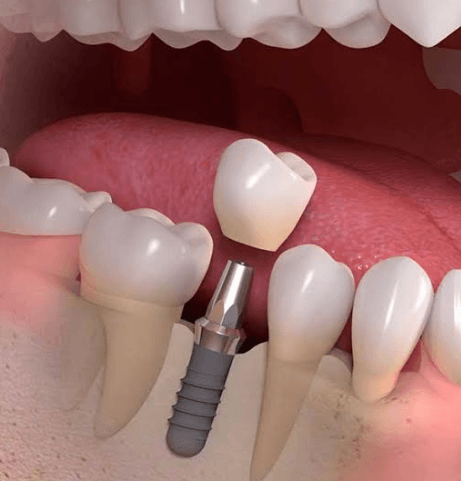
In simple terms, a dental implant is a small post placed in the jawbone to support a replacement tooth. Over time, the bone can heal around it, creating a stable base. This approach is often chosen when you want a solution that does not rely on neighboring teeth for support. Harvard Health explains in its overview of what to know about dental implants that implants can work well for many adults, though healing time, bone quality, and medical history all matter.
That said, implants are not the only path. Some people have bone loss that needs grafting first. Others prefer removable options, especially if several teeth are missing. The University of Illinois Chicago offers a helpful look at dentures and implants for missing teeth, showing that treatment is rarely one size fits all.
So, where does that leave you? Usually with a few key questions. Is the jawbone healthy enough for an implant now? Are the gums free from active infection? Do you need one tooth replaced, or many? And just as important, what kind of daily maintenance feels realistic for you? A thoughtful treatment plan should answer all of that before any procedure begins.
Which Tooth Replacement Option Fits Your Life Best Right Now?
Every option has tradeoffs. Some focus on speed and lower upfront cost. Others aim for long term stability. The right choice depends on your oral health, healing needs, and what matters most to you each day.
| Option | Best For | Benefits | Things To Consider |
|---|---|---|---|
| Single Dental Implant | One missing tooth with healthy bone and gums | Feels stable, helps preserve bone, does not depend on nearby teeth | Higher upfront cost, healing time, possible need for bone grafting |
| Dental Bridge | One or a few missing teeth with strong teeth nearby | Often faster than an implant, fixed in place | May require shaping neighboring teeth, does not replace tooth root |
| Partial Or Full Denture | Several missing teeth or full arch tooth loss | Usually lower initial cost, non surgical option | Can shift during eating or speaking, may need adjustments over time |
For someone recovering from trauma, timing matters too. If swelling, infection, or bone injury is present, treatment may happen in stages. That can feel frustrating, but it is often the safest route. A strong outcome usually comes from careful preparation, not rushing.
What Can You Do Now If You Are Considering Smile Restoration?
1. Get a full evaluation, not just a quick fix.
If you have recently lost a tooth, or if an old gap is starting to cause problems, ask for a complete exam with imaging. You want to know the condition of the bone, gums, bite, and nearby teeth. This is the foundation of good tooth implant treatment and of any other replacement plan.
2. Ask about the whole timeline and total cost.
It helps to understand every step, including extractions, grafting, healing time, final restoration, and follow up care. If another option such as a bridge or denture may meet your needs, ask for that comparison too. Clear numbers and a clear schedule can lower a lot of stress.
3. Protect the area while you decide.
Keep the area clean, follow your dentist’s care instructions, and avoid chewing hard foods on that side if advised. If trauma caused the loss, do not ignore lingering pain, swelling, or looseness in nearby teeth. Early care can prevent bigger problems later and improve your chances for successful dental implant restoration.
See also: How Microsoft 365 Business Simplifies Daily Work?
Can Your Smile Feel Like Yours Again?
Yes, and often more steadily than people expect. The path may involve a few steps, and it may take some patience, but replacing missing teeth can restore chewing, speech, facial support, and confidence. Whether the right answer is an implant, a bridge, or dentures, the goal is the same. You want to feel comfortable in your mouth again and stop planning your day around a problem that should not be there.
If you are weighing your options after trauma or tooth loss, now is a good time to schedule a consultation with a general and implant dentist. A careful evaluation can show you what is possible, what needs to happen first, and how to move forward with clarity.