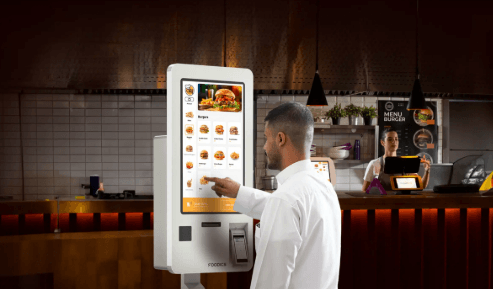
Behind every effective self-service ordering terminal lies a powerful software engine. Choosing the right restaurant kiosk software is just as important as selecting the physical hardware, because it is the software that determines the quality of the customer experience, the depth of operational integration, and the long-term flexibility of your self-service investment.
What Does Restaurant Kiosk Software Do?
restaurant kiosk software manages every aspect of the self-service ordering experience. It controls the menu display, processes customer selections, manages payment transactions, sends orders to the kitchen, and often connects with back-office systems for inventory tracking and sales reporting. Sophisticated platforms also include analytics dashboards, remote management capabilities, and marketing tools such as promotional banners and loyalty programme integration.
Core Features to Look For
Dynamic Menu Management
The ability to update menus in real time, across multiple kiosk terminals simultaneously, is essential for any multi-location deployment. Look for software that allows menu items to be activated or deactivated based on time of day, inventory availability, or promotional calendars, all from a centralised dashboard.
Upselling and Cross-Selling Engine
Intelligent upselling prompts that suggest relevant add-ons, meal upgrades, or complementary items based on the customer’s current selections are among the most powerful revenue-generating features of kiosk software. The best platforms use rule-based or machine learning algorithms to serve the most relevant suggestions at the right moment in the ordering journey.
Payment Processing Integration
Robust payment integration covering credit cards, debit cards, contactless payments, mobile wallets, and regional payment methods is non-negotiable. The payment experience must be fast, secure, and reliable, as any friction at checkout will undermine the efficiency gains the kiosk is designed to deliver.
Accessibility Compliance
Quality kiosk software includes accessibility features such as adjustable text size, high-contrast display modes, and screen reader compatibility to ensure that all customers, including those with visual impairments or physical limitations, can use the self-service terminal independently.
Integration With Restaurant Ecosystem
- POS system integration for unified sales reporting
- Kitchen display system connectivity for real-time order routing
- Inventory management linkage to prevent out-of-stock orders
- CRM and loyalty platform integration for personalised promotions
Choosing the Right Platform for Your Business
Cloud-Based vs On-Premise
Cloud-based kiosk software offers remote management, automatic updates, and easier multi-site deployment, while on-premise solutions may appeal to operators with specific data security requirements or unreliable internet connectivity. Most modern deployments favour cloud architecture for its flexibility and lower maintenance overhead.
Vendor Support and Reliability
The quality of ongoing technical support is critical for kiosk deployments. A software failure during peak service hours can have an immediate negative impact on revenue and customer experience. Evaluate each vendor’s support response times, uptime guarantees, and track record before making a commitment.
Frequently Asked Questions
Q: How often is restaurant kiosk software updated?
A: Cloud-based platforms typically receive regular updates including new features, security patches, and bug fixes. Update frequency varies by vendor, with leading providers offering multiple releases per year.
Q: Can kiosk software be customised to match our brand?
A: Most enterprise-grade kiosk software platforms offer extensive white-label customisation, allowing restaurants to apply their brand colours, fonts, imagery, and messaging to create a consistent brand experience at every kiosk terminal.
Q: Is kiosk software compatible with all kiosk hardware?
A: Compatibility varies by platform. Some software providers offer their own certified hardware bundles, while others support a range of third-party devices. Always verify hardware compatibility before procurement.
See also: From Idea to Execution with Trusted Design and Build London Services
Conclusion
Selecting the right restaurant kiosk software is a strategic decision that will shape your customer experience and operational efficiency for years to come. Prioritise platforms with strong integration capabilities, intelligent upselling features, reliable vendor support, and the scalability to grow alongside your business. A well-chosen software platform transforms your kiosk investment from a simple ordering tool into a powerful driver of revenue, efficiency, and customer satisfaction.