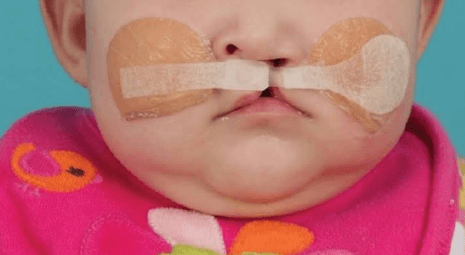
You may be trying to make sense of a diagnosis that changed everything in one appointment. A baby is born, feeding becomes harder than expected, surgery starts coming up in conversations, and suddenly you are hearing from specialists you never knew you would need, including an oral surgeon in Des Plaines, IL. That kind of stress is real. It is hard to sort out who handles what, when treatment starts, and how all the pieces fit together.
Cleft lip and palate care is rarely one procedure and done. It usually involves years of planning, staged treatment, and a team that works together closely. In that team, the oral surgeon often has a central role because the jaw, teeth, bone, and facial structure all affect eating, speech, breathing, appearance, and long term oral health. The work is not only cosmetic. It is functional, structural, and often time sensitive.
Oral surgeons help restore function as well as appearance
A cleft lip or palate happens when tissues of the lip or roof of the mouth do not join fully during early development. The NIH overview of cleft lip explains the basics clearly, and the medical side matters because this condition can affect far more than looks alone. Babies may struggle with feeding. Children may develop speech issues. Teeth may erupt in the wrong position, and the upper jaw may not grow evenly.
This is where an Oral Surgeon And Implant Dentist becomes more than a name on a referral list. Oral surgeons treat the bone and soft tissue problems that sit underneath many cleft related concerns. They may take part in early planning, perform bone grafting to support the upper jaw and teeth, expose impacted teeth, correct jaw alignment later in adolescence, and coordinate with orthodontists, pediatric dentists, speech therapists, and plastic surgeons.
Families often assume the first lip or palate repair solves the main problem. Sometimes it does solve a lot. Sometimes it opens the door to the next stage of care. A child may look better after early repair but still have a gap in the gumline, missing bone in the upper jaw, or dental crowding that affects chewing and speech. Without the right surgical support, those issues can follow them into the teen years and adulthood.
Cleft lip and palate treatment often depends on timing
Timing shapes outcomes. Bone grafting is a good example. Many children with a cleft that reaches the gumline need alveolar bone grafting before the permanent canine tooth erupts. That graft helps stabilize the upper jaw, supports teeth, and closes gaps in the bone. If the window is missed, treatment can become harder and results may be less predictable.
The same pattern shows up later with jaw surgery. Some patients develop a mismatch between the upper and lower jaws as they grow. They may have trouble biting, chewing, or speaking clearly, and they may become more self conscious as facial asymmetry becomes easier to see. An oral surgeon can evaluate whether corrective jaw surgery is needed once growth is close to complete.
For a plain language medical summary, MedlinePlus explains cleft palate and the range of treatment needs that may come with it. That broad view helps because families are often dealing with more than one concern at once. Feeding issues in infancy can turn into dental problems in childhood and jaw problems later on.
The role of oral surgeons in cleft care becomes clearer over time
At first, the treatment plan can feel crowded with appointments and hard terms. The oral surgeon’s role becomes clearer when you look at what they are actually protecting. They help create a stable foundation for teeth. They support normal jaw development as much as possible. They reduce the risk of untreated bone defects causing bigger dental and bite problems later. In many cases, they also help prepare the mouth for future restorative work if teeth are missing.
That matters emotionally too. A child who cannot bite into food comfortably, who avoids smiling, or who struggles to be understood in class carries more than a medical issue. Parents carry it with them as well. Delays, missed referrals, and fragmented care can add a layer of guilt and confusion that no family needs.
Coordinated care lowers risk and improves long term results
Oral surgery for cleft lip and palate works best when it is part of coordinated team care. One specialist alone cannot manage every part of this condition. An oral surgeon may plan surgery around orthodontic movement, dental eruption, speech needs, and facial growth. That coordination lowers the chance of repeat procedures done at the wrong time or for the wrong reason.
| Care Approach | Likely Benefits | Common Risks or Limits |
| Coordinated cleft team with oral surgeon involvement | Better timing for bone grafts, stronger dental support, improved bite planning, clearer long term roadmap | More appointments, longer treatment timeline, insurance coordination may be harder |
| General dental follow up without surgical planning | Routine cleanings and basic monitoring | Bone defects may go untreated, tooth eruption problems may be missed, jaw issues may worsen before referral |
| Delayed surgical evaluation | Short term reduction in scheduling stress | Narrower treatment window, more complex future procedures, greater functional and cosmetic impact |
The point is not to create panic. It is to show why early and ongoing surgical evaluation matters. Many cleft related issues are manageable, but they respond best to planning rather than reaction.
Three steps you can take right away
Get a full team based evaluation. Ask whether your child has been seen by a cleft team that includes an oral surgeon, orthodontist, pediatric dentist, and speech professional. If not, push for referrals. A complete plan is easier to follow than scattered opinions.
Ask about timing, not just treatment. Write down the expected age ranges for bone grafting, orthodontics, and possible jaw surgery. Parents often hear what may be needed but not when it matters most. That timing can shape results.
Keep records in one place. Save imaging reports, surgical notes, dental records, and names of each specialist. Cleft care can stretch across many years. Clear records help new providers see the full picture quickly and reduce repeated testing or missed details.
Steady care makes a hard path more manageable
If you are facing cleft care, you do not need to have every answer today. You do need a team that sees the whole picture and respects how much is riding on each step. Oral surgeons are a key part of that picture because they treat the structure that supports speech, chewing, dental health, and facial growth. With the right planning, families move from constant uncertainty to a path that makes sense.
If you are looking for guidance on treatment planning, speak with an Oral Surgeon And Implant Dentist who understands how surgical care fits into long term cleft management.